7 Simple Weight Loss Tips
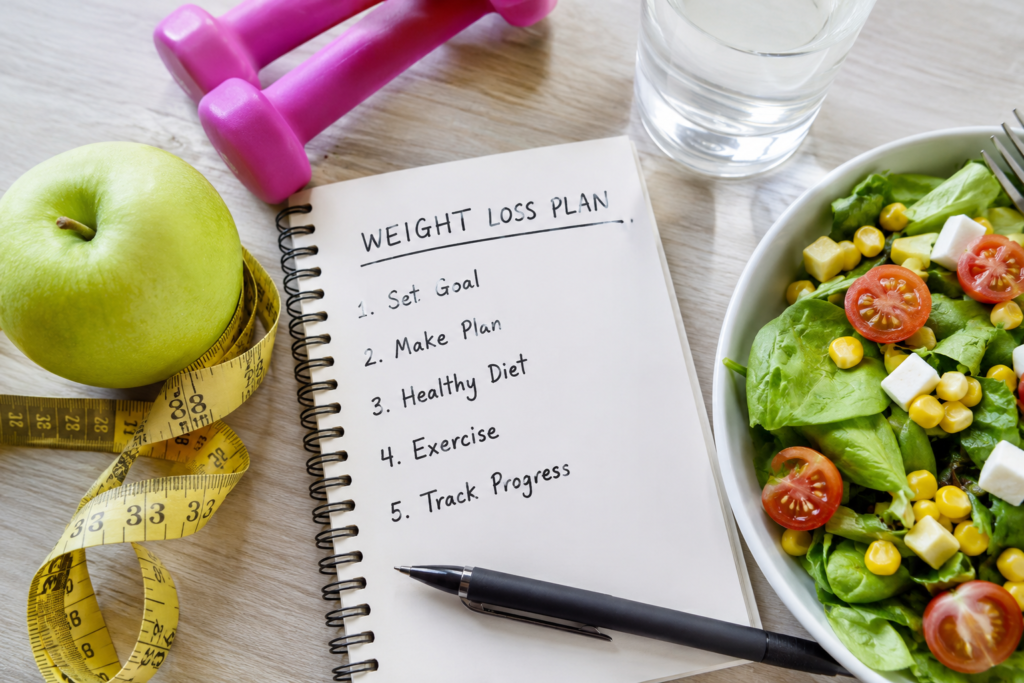 Losing weight is often easier to talk about than to actually do. Many people start with a clear goal, follow a new diet for a few days or weeks, and then find it difficult to maintain the same routine. When progress slows down, motivation can disappear quickly.
The good news is that successful weight management does not have to depend on extreme diets or unrealistic promises. A more practical approach is to set achievable goals, make gradual changes, and develop habits that can fit into your everyday life.
Whether you are just starting your weight-loss journey or trying to get back on track, these seven simple tips can help you create a more realistic plan.
1. Set a Specific and Realistic Weight Loss Goal
“I want to lose weight” is a good intention, but it is not a very specific goal.
Instead, think about what you actually want to achieve and give yourself a realistic timeframe. Your goal might be to lose a certain percentage of your current body weight, become more physically active, or improve your eating habits.
For many people who need to lose weight, an initial goal of losing around 5% to 10% of their starting body weight over several months can be a reasonable target. The appropriate goal will depend on factors such as your current weight, health, age, activity level and individual circumstances.
Trying to lose a large amount of weight in a very short period can create unrealistic expectations. A better approach is to focus on steady progress and habits that you can maintain.
If you are unsure what a healthy weight-loss goal would be for you, consider discussing it with a qualified healthcare professional.
2. Break a Big Goal Into Smaller Steps
A large weight-loss goal can seem overwhelming.
For example, if your long-term goal is to lose 30 pounds, thinking about all 30 pounds at once may make the process feel much harder than it needs to be.
Instead, concentrate on smaller actions that you can control.
You might decide to prepare more meals at home, replace sugary drinks with water more often, take regular walks, reduce unnecessary snacking, or become more consistent with your exercise routine.
These changes may seem small, but several small improvements can become meaningful when you maintain them over time.
It can also be useful to set behavior-based goals rather than focusing entirely on the number on the scale. For example, “I will walk for 30 minutes three times this week” is a goal you can directly control.
Your weight may not change exactly as expected every week, but your habits are still moving in the right direction.
3. Understand Why You Want to Lose Weight
One of the most important questions to ask yourself is simple:
Why do I want to lose weight?
Your answer should be personal.
Perhaps you want to have more energy, become more active, feel more comfortable in your clothes, improve your overall health, or simply feel better about your daily routine.
Write down your reasons and keep them somewhere you can see them.
Motivation naturally changes over time. There may be days when following your plan feels easy and other days when it is much more difficult. Remembering why you started can help you stay focused when motivation begins to fade.
Your reason does not have to be dramatic. Even a simple goal, such as wanting to feel healthier and more active, can be enough to give your efforts a sense of purpose.
4. Focus on Healthy Habits Instead of Quick Fixes
One of the biggest mistakes people make when trying to lose weight is looking for a single solution that will do all the work.
There is no need to make your diet unnecessarily complicated.
A sustainable weight-management plan can include a balanced eating pattern, sensible portions, regular physical activity and enough time for your body and habits to adjust.
Try to make gradual improvements rather than completely changing everything overnight.
You might add more vegetables and other nutrient-dense foods to your meals, pay closer attention to portion sizes, and reduce your intake of foods and drinks that are high in added sugars or calories.
You also do not necessarily need to eliminate every food you enjoy.
A realistic eating plan is one that allows you to make healthier choices most of the time while still being practical enough to follow in everyday life.
The goal is not perfection. Consistency is much more useful.
5. Make Physical Activity Part of Your Routine
Regular physical activity is an important part of a healthy lifestyle and can support weight management.
You do not have to begin with an intense exercise program.
If you have been inactive, start with something manageable. Walking, cycling, swimming, dancing or other activities you enjoy can be good ways to become more active.
For many adults, working toward at least 150 minutes of moderate-intensity aerobic activity per week is a commonly recommended goal. Your appropriate level of activity may depend on your health and physical ability.
Strength-training activities can also be included in an overall fitness routine.
The most important thing is to find activities that you can realistically continue doing.
Physical activity also provides benefits that go beyond weight loss. Becoming more active can support cardiovascular health, fitness and general well-being, even when the scale does not change immediately.
6. Track Your Progress and Learn From Setbacks
Tracking your progress can help you understand your habits and identify areas that may need attention.
You could keep a simple record of your meals, physical activity, sleep, or weekly weight. You do not have to track every detail if that feels overwhelming.
The purpose is to learn from the information.
For example, you might discover that you tend to snack more when you are tired, eat larger portions when dining out, or skip exercise when your schedule becomes busy.
Once you recognize these patterns, you can look for practical solutions.
It is also important to understand that setbacks are normal.
Having an unhealthy meal or missing a few workouts does not mean your entire weight-loss plan has failed. Instead of giving up, return to your normal routine at the next opportunity.
One difficult day does not erase the progress you have already made.
7. Be Patient and Think Long Term
Weight loss is not always a straight line.
Your weight can move up and down because of changes in food intake, fluid levels, physical activity and other factors. This is why it can be more useful to look at your overall progress rather than becoming frustrated by every short-term change.
Be careful with programs that promise dramatic results in a very short time.
If a product or program claims that you can lose a large amount of weight without changing your diet or activity level, that should be a warning sign. Unrealistic promises are common in the weight-loss industry.
Instead, ask yourself whether your plan is something you could realistically continue six months from now.
Can you maintain the eating habits?
Can you continue the activity routine?
Can you make these changes part of your normal lifestyle?
If the answer is yes, you are building something much more valuable than a temporary diet.
What About Weight Loss Pills and Supplements?
Weight-loss supplements and diet pills are widely marketed to people who want faster results. Some people consider these products as part of a broader weight-management strategy, but they should not be viewed as a replacement for healthy eating, physical activity or appropriate medical advice.
It is also important to look beyond advertising claims when evaluating a weight-loss product.
Pay attention to the ingredients, the manufacturer, the evidence behind the product’s claims, and any warnings or potential interactions. A product being described as “natural” or “herbal” does not automatically mean that it is safe for everyone.
The FDA continues to warn consumers about certain weight-loss products that contain hidden drug ingredients or other potentially dangerous substances. In 2026, the agency has issued multiple notifications involving products marketed for weight loss, including products found to contain undeclared pharmaceutical ingredients or harmful chemicals.
This is one reason it is worth doing your research before purchasing a diet pill or weight-loss supplement.
If you are considering a specific product, speak with a healthcare professional, particularly if you take prescription medications or have an existing medical condition.
If you are researching individual weight-loss supplements, our Fat Burn Active review provides more information about the product, its ingredients and the claims associated with it.
You can also explore our weight loss pills reviews to learn more about different products, their ingredients, claims and other information before making a decision.
The Bottom Line
Successful weight loss does not have to begin with an extreme diet, an unrealistic deadline or a promise of instant results.
Start by setting a realistic goal. Break that goal into smaller steps and focus on the habits you can control. Build a healthier eating pattern, stay physically active, track your progress and give yourself time to develop a routine that fits your lifestyle.
Weight-loss supplements may be considered by some people as one part of a broader weight-management approach, but they should not replace a balanced diet, physical activity or appropriate medical advice.
The best weight-loss plan is not necessarily the one that promises the fastest results. It is the one you can realistically follow, adjust when necessary and maintain over the long term.
Progress may take time, but small and consistent changes can be much more valuable than another short-lived diet.